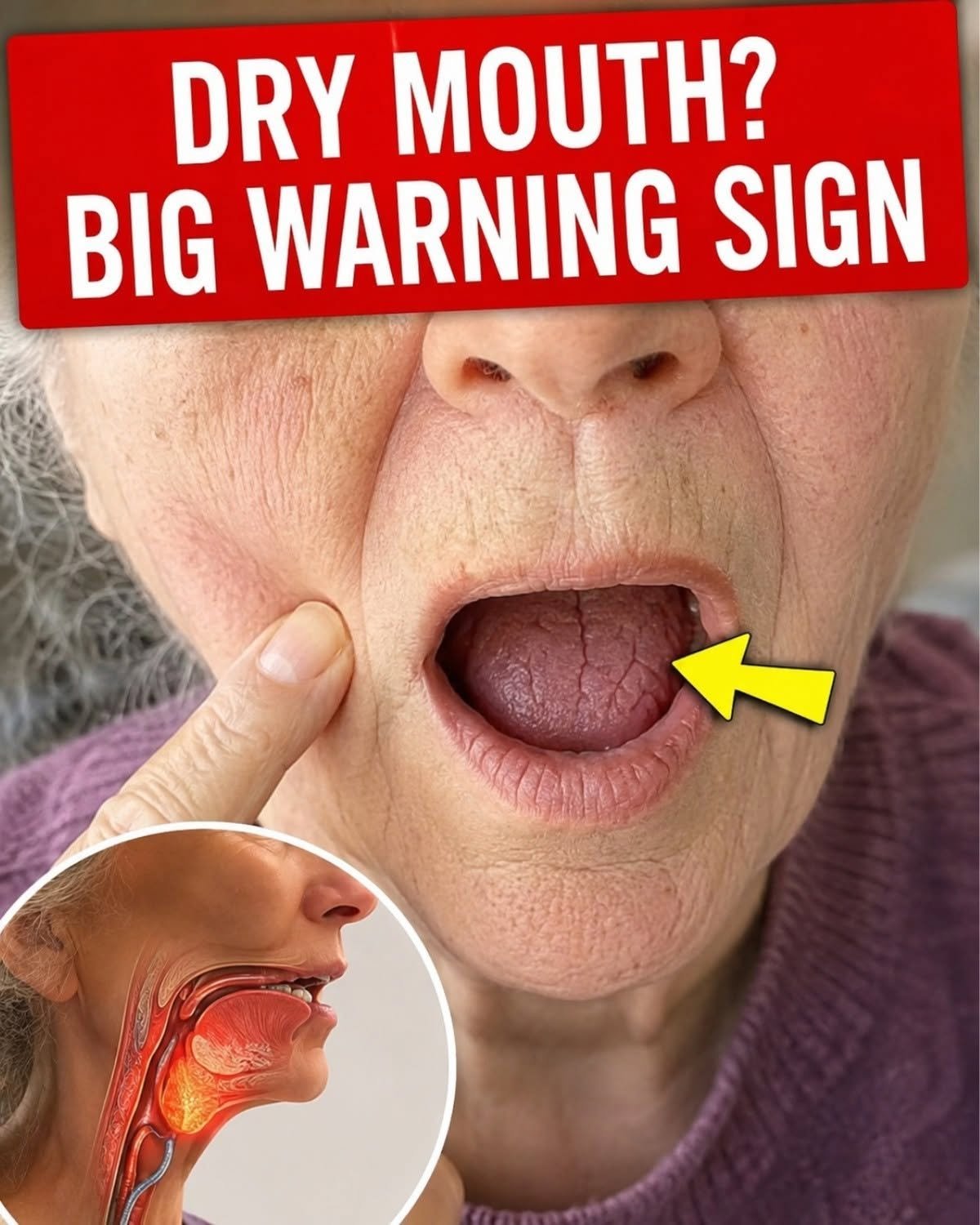
While a persistent dry mouth is often casually dismissed as a normal part of getting older, medical professionals emphasize that aging itself is rarely the true culprit.
Clinically known as xerostomia, a dry mouth is actually a sign that your salivary glands are slowing down or shutting off due to external triggers, lifestyle factors, or underlying health conditions. Saliva plays a critical role in neutralizing mouth acids, washing away food particles, and protecting against tooth decay and infections, so ignoring a chronically dry mouth can lead to real complications.
Here is what is usually behind a sudden or persistent drop in saliva production:
1. Medication Side Effects (The #1 Culprit)
-
What happens: Hundreds of prescription and over-the-counter medications list dry mouth as a side effect. Drugs commonly prescribed for high blood pressure (like diuretics and calcium channel blockers), depression, anxiety, allergies, and urinary incontinence frequently interfere with the nervous signals that stimulate your salivary glands.
-
The Compound Effect: If you take multiple medications at once (polypharmacy), the combined drying effect multiplies significantly.
2. Underlying Medical Conditions
-
What happens: Certain systemic health issues directly impact your body’s moisture-producing glands or fluid balance. Type 2 diabetes, autoimmune disorders like Sjögren’s syndrome (which specifically targets moisture-producing glands), and neurological conditions can all diminish saliva flow.
3. Dehydration and Mouth Breathing
-
What happens: Chronic mild dehydration—especially common overnight—reduces your body’s overall fluid volume, making it harder to produce saliva. Additionally, if you snore or breathe through your mouth while sleeping, airflow rapidly evaporates what little moisture is left, leaving you with a parched, sticky mouth and throat by morning.
Practical Ways to Protect Your Mouth and Stimulate Saliva
If you are dealing with reduced saliva flow, these simple steps can help protect your dental health and ease discomfort:
-
Sip Water Consistently: Keep a water bottle nearby and take small, frequent sips throughout the day rather than chugging large amounts all at once.
-
Chew Sugar-Free Gum (or Lozenges): Chewing gum or sucking on sugar-free candies containing xylitol mechanically stimulates your salivary glands to kick back into gear while helping protect against decay.
-
Use a Bedside Humidifier: Running a cool-mist humidifier in your bedroom adds moisture back into the air, preventing your mouth and airways from drying out overnight if you tend to breathe through your mouth.
-
Review Your Medications: If you suspect a prescription drug is drying you out, talk to your doctor or pharmacist. They may be able to adjust your dosage, change the timing, or recommend a safer alternative.
When to Consult a Professional: If your dry mouth is persistent, makes it difficult to chew, swallow, or speak, or causes cracked lips and frequent mouth sores, it is worth scheduling a visit with your dentist or primary care doctor to pinpoint the exact cause.
Have you noticed this dry feeling mostly happening overnight, or is it a persistent issue throughout your day?
