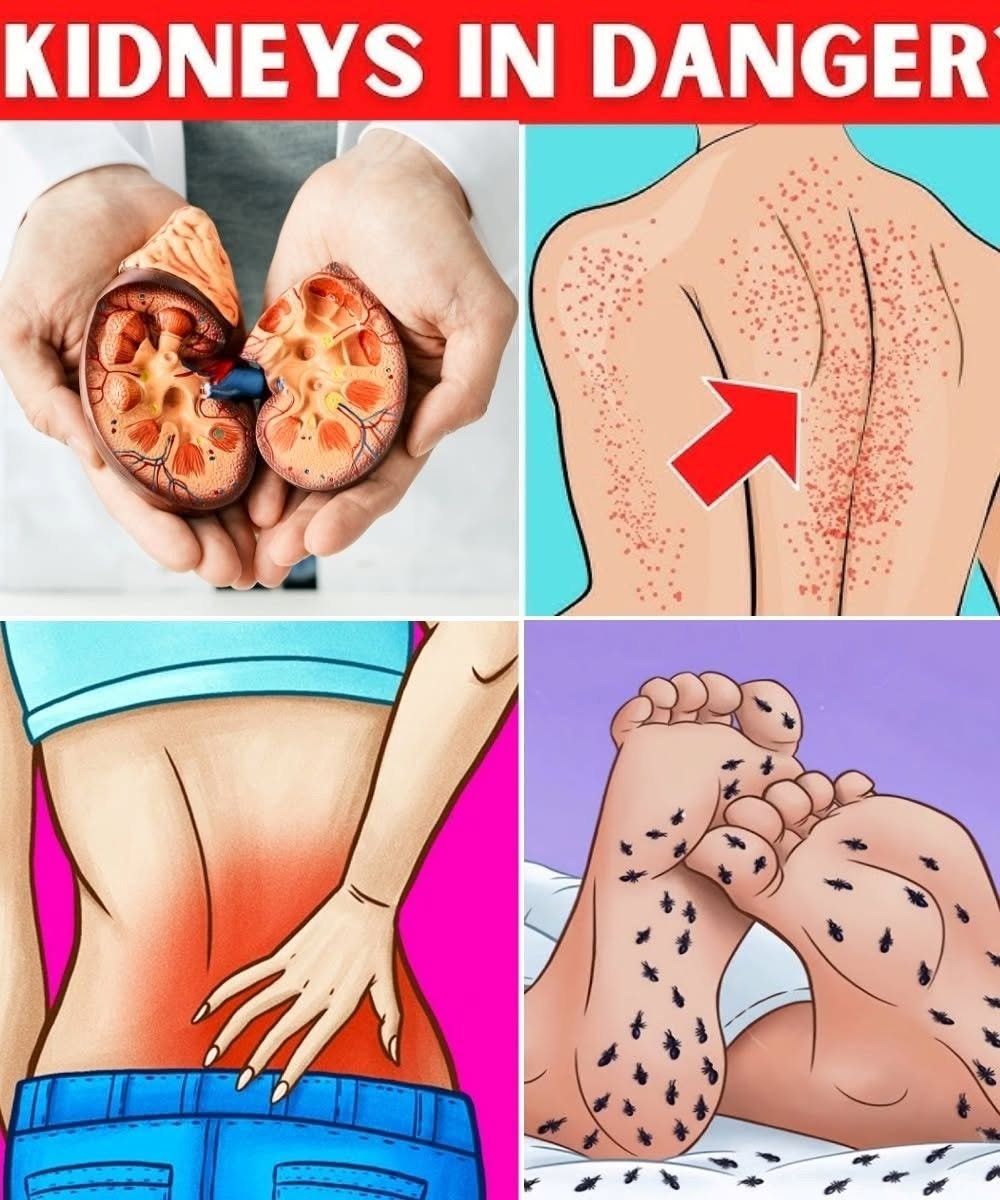
When kidneys begin to struggle, they whisper before they scream. Because kidney disease often develops silently in its early stages, these warning signs are often subtle and easily mistaken for other issues—like aging, stress, or a lack of sleep.
Here are 10 signs your kidneys may be struggling and asking for help:
1. Changes in Urination Patterns
Because your kidneys make urine, any major shift in your bathroom habits can be a clue. This includes waking up multiple times during the night to pee (nocturia), needing to go much more often, or producing urine that is unusually dark, pale, or reduced in volume.
2. Foamy or Bubbly Urine
If you notice persistent, excessive bubbles in your toilet water—resembling scrambled eggs or beer foam that doesn’t go away after flushing—it is a major red flag. This usually means large amounts of protein (albumin) are leaking through damaged kidney filters into your urine.
3. Blood in the Urine
Healthy kidneys keep your blood cells inside your body when filtering waste. When the filtering units are damaged, these cells can start “leaking” out into your urine. Urine that appears pink, red, or tea-colored should always be evaluated promptly.
4. Swelling (Edema) in the Face, Feet, and Ankles
When kidneys can no longer efficiently remove extra sodium and fluid, water retention builds up in the body. This causes swelling in your lower extremities (ankles, feet, and legs). Persistent puffiness around your eyes—especially in the morning—can also point to protein leaking from the kidneys.
5. Unusual Fatigue and Brain Fog
Healthy kidneys make a hormone called erythropoietin (EPO), which tells your body to make oxygen-carrying red blood cells. When kidney function drops, EPO levels fall, leading to anemia. This causes deep, persistent exhaustion, weakness, and difficulty concentrating (“brain fog”) because your brain and muscles are starved of oxygen.
6. Dry, Persistently Itchy Skin
Your kidneys do a complex job of balancing minerals and nutrients (like phosphorus and calcium) in your blood. When they fail, a buildup of waste products and mineral imbalances can cause severe, deep-seated skin itching that lotions won’t fix.
7. A Metallic Taste or Ammonia Breath
A severe buildup of waste in the blood (a condition called uremia) can change how food tastes, sometimes causing a metallic taste in the mouth or making meat unappealing. It can also cause bad breath (resembling ammonia) and a general loss of appetite, sometimes leading to unexplained weight loss.
8. Shortness of Breath
Breathlessness can tie back to kidney trouble in two ways:
-
Anemia leaves your body short on oxygen-carrying red blood cells.
-
Fluid overload can cause extra fluid to back up into the lungs.
9. Frequent Muscle Cramps
An imbalance of electrolytes—such as low calcium or poorly regulated potassium and sodium levels—frequently stems from declining kidney function. This disrupts nerve and muscle signaling, triggering painful muscle cramps, particularly in the legs.
10. High Blood Pressure That is Hard to Control
The kidneys and blood pressure share a tightly woven relationship. Kidneys help regulate blood pressure, but damaged blood vessels in the kidneys can cause hypertension to spike—and high blood pressure, in turn, causes even more damage to the kidneys. If your blood pressure suddenly becomes stubborn or difficult to manage despite medication, your kidneys may be involved.
Disclaimer: If you are experiencing persistent or worsening symptoms from this list, it is important to consult a healthcare provider. Simple blood tests (like serum creatinine/GFR) and a routine urine test can quickly check how well your kidneys are functioning.
